20 Major Roles of the Internet: Why It Matters Today
Published: 4 May 2026
Right now, people spend over 6 hours a day on the internet on average. If you feel like you waste hours online but still get nothing meaningful done, you are not alone. People use the internet non-stop, yet they struggle to understand its real purpose in their lives.
The impact of the internet goes far beyond scrolling and watching content. Once you understand how to use it the right way, it can completely change how you learn, earn, and grow. Here, I will guide you through the real role of the internet and how to use it better. By the end, you will have a clear direction instead of just scrolling without purpose.
Let’s explore how the Internet can work for you, not against you.
Measuring the Influence of the Internet
The internet plays a central role in modern life, affecting how people communicate, work, learn, and access services. Its value can be measured by looking at specific indicators that show its impact on individuals, businesses, and society.
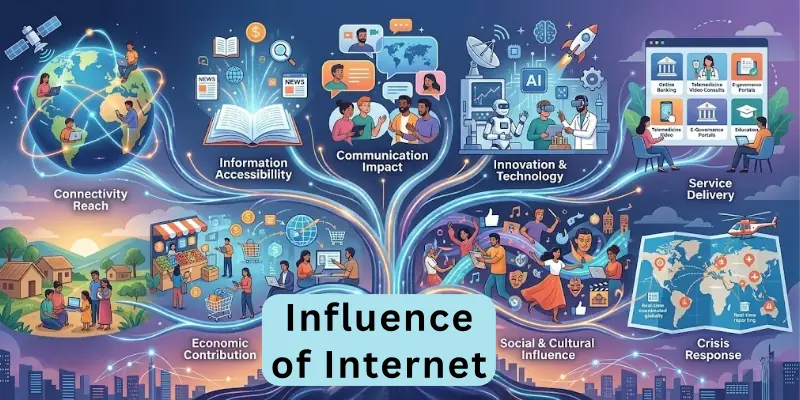
By examining these factors, we can understand the true scope of the internet’s role in connecting people, enabling commerce, and shaping daily life.
Parameters to measure the internet impact:
- Connectivity Reach: The number of people and devices connected online worldwide. High connectivity indicates the internet’s ability to bridge distances and link communities globally.
- Economic Contribution: Revenue generated through e-commerce, online services, and remote work. This shows how the internet drives business growth and job creation.
- Information Accessibility: Availability and use of online resources such as research, news, and tutorials. Wider access reflects how the internet empowers learning and knowledge sharing.
- Communication Impact: Usage of emails, messaging apps, and video calls for personal and professional purposes. Increased communication demonstrates the internet’s role in connecting people instantly.
- Innovation and Technology: The number of new apps, tools, and smart devices is dependent on internet connectivity. Faster adoption indicates the internet’s role in enabling technological progress.
- Social and Cultural Influence: Interaction on social media platforms, streaming, and digital communities. High engagement shows how the internet shapes culture, trends, and global conversations.
- Service Delivery: Use of online banking, telemedicine, e-government services, and delivery platforms. Efficient service access reflects the internet’s role in simplifying daily life and improving convenience.
- Crisis Response: The speed at which information, coordination, and aid reach people during emergencies. The internet’s role in crisis management highlights its critical societal importance.
Role of the Internet in Different Fields
The internet is used to connect people, information, and opportunities across the world. It allows us to communicate instantly, share knowledge, and access services that were once hard to reach. The internet supports learning, work, entertainment, and social interaction in ways that touch almost every area of our lives.
It acts as a platform for innovation, creativity, and personal growth. Beyond being a tool, the internet shapes how we experience the world. Its role helps us use it effectively and gain real value from the time we spend online.
Here are the main areas where the internet plays a role:
- Communication
- Education
- Business and Work
- Entertainment
- Daily Life
- Healthcare
- Agriculture
- Nutrition
- E-commerce
- Social Awareness
- Innovation and Growth
- Government and Public Service
- Travel and Navigation
- News and Information
- Finance and Banking
- Science and Research
- AI and Technology
- Culture
- Politics
- Disaster Management
Now take an in-depth look at all these areas.
1. Role of the Internet in Communication
The internet has completely changed the way we communicate. Today, we can connect instantly and share messages, ideas, and media in real time. Communication is no longer limited by distance or time, and the internet has made sharing information faster and easier than ever before.
- Instant Messaging: Send text messages, photos, or videos instantly through apps like WhatsApp, Messenger, and Telegram.
- Email Communication: Exchange professional and personal messages quickly and efficiently across the world.
- Video Calls and Conferencing: Use platforms like Zoom, Google Meet, or Skype to have face-to-face conversations online.
- Social Media Platforms: Share updates, photos, and ideas on platforms like Facebook, Instagram, and Twitter to connect with larger communities.
- Forums and Online Communities: Participate in discussions, ask questions, and share experiences on Reddit, Quora, or niche forums.
- Collaborative Tools: Communicate and work together using tools like Slack, Microsoft Teams, or Google Workspace.
2. Role of the Internet in Education
The internet has transformed education by making learning faster, easier, and more accessible. Students and teachers can now access a world of knowledge from anywhere, anytime. It helps people learn new skills, research topics, and stay updated with the latest information.
- Online Courses: Access lessons, tutorials, and full courses from platforms like Coursera, Udemy, and Khan Academy.
- Research: Find articles, journals, and books instantly to support studies and projects.
- Virtual Classrooms: Attend live or recorded classes from schools, colleges, or universities remotely.
- Interactive Learning: Use quizzes, games, and multimedia to make learning more engaging.
- Skill Development: Learn new skills in coding, design, languages, and more through online tools.
- Collaboration: Work on group projects, share notes, and discuss topics with peers online.
3. Contribution of the Internet in Business and Work
The internet has revolutionized the way businesses operate and people work. It allows companies to reach global markets, collaborate with teams remotely, and offer services online. Professionals can communicate, manage tasks, and grow their careers faster than ever.
- E-commerce: Sell products and services online through websites and marketplaces like Amazon, Shopify, or Etsy.
- Remote Work: Work from anywhere using tools like Zoom, Microsoft Teams, and Slack.
- Digital Marketing: Promote businesses, reach customers, and run advertising campaigns online.
- Collaboration: Share files, manage projects, and communicate with colleagues in real time.
- Networking: Connect with clients, partners, and other professionals through LinkedIn and online communities.
- Freelancing Opportunities: Offer skills and services globally on platforms like Fiverr and Upwork.
4. Function of the Internet in Entertainment
Online platforms completely transform how people enjoy entertainment. They stream movies, listen to music, play games, and explore creative content instantly from anywhere. Audiences personalize what they watch and play while sharing experiences with friends and communities around the world.
- Streaming Services: Watch movies, TV shows, and videos on platforms like Netflix, YouTube, and Disney+.
- Music: Listen to songs, podcasts, and playlists on Spotify, Apple Music, or SoundCloud.
- Online Gaming: Play games solo or with friends across the globe on platforms like Steam or Xbox Live.
- Social Media Content: Enjoy short videos, memes, and creative content on TikTok, Instagram, and Facebook.
- Live Events: Attend concerts, sports, and performances online through live streaming.
- Creative Platforms: Share and explore art, photography, and videos on platforms like DeviantArt or Behance.
5. Value of the Internet in Daily Life
Modern life depends heavily on online tools and services. People use the internet to manage daily tasks, stay organized, and access information instantly. It simplifies routines, saves time, and makes life more convenient in countless ways.
- Shopping: Buy groceries, clothes, and household items quickly through online stores.
- Banking: Pay bills, transfer money, and track expenses securely using digital banking.
- Navigation: Find routes, check traffic, and explore new places with GPS and mapping apps.
- Appointments: Schedule doctor visits, meetings, and reservations online.
- Information Access: Check the weather, news, and updates instantly from reliable sources.
- Home Management: Control smart devices, monitor energy use, and automate tasks with IoT tools.
6. Significance of the Internet in Healthcare
The internet improves healthcare by giving faster access to medical support and information. Patients consult doctors, track their health, and find reliable guidance from home. Online systems connect healthcare providers and patients, helping them act quickly and take the right steps to stay healthy.
- Telemedicine: Talk to doctors and specialists through video calls and online platforms.
- Health Information: Check symptoms, treatments, and preventive care from trustworthy sources.
- Appointment Scheduling: Book doctor visits, lab tests, and follow-ups online.
- Remote Monitoring: Track vital signs, glucose levels, or heart rate using connected devices.
- Health Communities: Join forums and support groups to share experiences and advice.
- Medical Education: Access courses and training for healthcare professionals online.
7. Uses of the Internet in Agriculture
Modern technology and online tools help farmers grow crops more efficiently and connect with buyers directly. Digital platforms provide real-time information, market updates, and access to resources that improve productivity. Farmers can plan, monitor, and manage their work faster while reaching new markets.
- Weather Updates: Get real-time weather forecasts to plan planting and harvesting.
- Market Prices: Check crop prices and demand trends online to sell at better rates.
- Farming Techniques: Access videos, guides, and tutorials for modern farming methods.
- Supply Chain Access: Connect directly with suppliers, distributors, and buyers.
- Crop Monitoring: Use apps and IoT devices to track soil health, irrigation, and crop growth.
- Agriculture Communities: Join forums and networks to share experiences and tips with other farmers.
8. Importance of the Internet in Nutrition
The internet helps people improve their diets and maintain healthy lifestyles. Apps and websites provide meal plans, track nutrients, and offer practical tips for everyday eating. Nutrition information reaches people instantly, making it easier to adopt healthier habits and monitor progress.
- Diet Plans: Access personalized meal plans for weight management, fitness, or health goals.
- Nutrient Tracking: Use apps to monitor calories, vitamins, and other nutrients daily.
- Healthy Recipes: Find step-by-step recipes and cooking tips online.
- Fitness Integration: Combine diet tracking with exercise apps for better results.
- Nutrition Communities: Join forums, groups, and social platforms to share tips and success stories.
- Expert Guidance: Follow dietitians, nutritionists, and health coaches for practical advice.
9. Purpose of the Internet in E-commerce
Online services and websites make buying and selling faster, easier, and more convenient than ever. Businesses reach customers worldwide, and shoppers find products instantly without leaving home. E-commerce tools let sellers manage sales, connect with buyers, and grow their business online.
- Online Stores: Sell products and services through websites and marketplaces like Amazon, Shopify, and Etsy.
- Digital Payments: Accept payments securely through online banking, wallets, and payment gateways.
- Marketing: Promote products with ads, social media campaigns, and email newsletters.
- Customer Support: Respond to queries, handle complaints, and maintain satisfaction online.
- Inventory Management: Track stock, orders, and deliveries through digital tools.
- Global Reach: Connect with buyers and suppliers across countries instantly.
10. Internet Role in Social Awareness
The internet spreads news and information that helps people act on important social issues. It shares campaigns, events, and updates quickly, connecting communities and encouraging participation. People can learn about causes, support projects, and join efforts to create a positive impact.
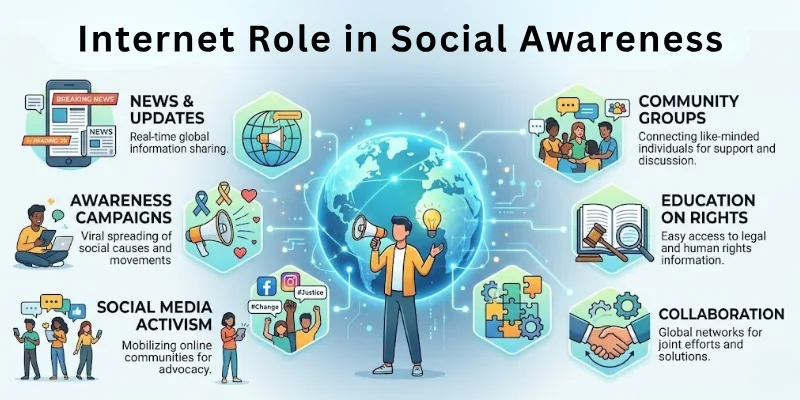
- News and Updates: Receive real-time information on social issues, events, and campaigns.
- Awareness Campaigns: Support causes, petitions, and community projects online.
- Social Media Activism: Share messages, videos, and stories to attract public attention.
- Community Groups: Join discussions and networks focused on social change and volunteering.
- Education on Rights: Access resources about human rights, equality, and responsibilities.
- Collaboration: Work with NGOs, volunteers, and social leaders to support initiatives.
11. Effects of the Internet in Innovation and Growth
The internet sparks new ideas and drives progress in many fields. People share inventions, create projects, and improve processes faster than ever. Businesses develop better products, and individuals find fresh ways to solve problems. Online access connects innovators worldwide and helps ideas spread quickly.
- Idea Sharing: Exchange new concepts, designs, and creative solutions with others.
- Research and Development: Gather information and studies to build improved products and services.
- Crowdsourcing: Collect feedback, suggestions, or funding from people across the world.
- Entrepreneurship: Start new businesses, showcase inventions, and reach customers online.
- Collaboration Across Borders: Work with experts and teams in other countries to create solutions.
- Learning from Innovations: Explore examples and success stories to inspire new ideas.
12. Internet Power in Government & Public Service
The internet improves how governments serve people and deliver public services. It lets citizens access information, complete official tasks, and communicate with authorities quickly. Online systems make processes faster, reduce paperwork, and bring people closer to the services they need.
- Online Services: Apply for permits, licenses, or certificates through government websites.
- Public Information: Access updates, announcements, and policies instantly.
- Citizen Feedback: Submit complaints, suggestions, or reports to authorities online.
- E-Governance: Participate in digital voting, surveys, and decision-making initiatives.
- Emergency Alerts: Receive real-time warnings about natural disasters or public safety issues.
- Transparency: Check budgets, projects, and government activities to stay informed.
13. Internet Benefits in Travel and Navigation
Traveling has become easier with the internet. You can book flights, hotels, and tickets and explore new destinations from home. The internet provides maps, traffic updates, and travel guides that help travelers reach their destinations without confusion.
- Trip Planning: Find hotels, flights, and sightseeing options quickly.
- Navigation: Follow accurate maps and GPS directions to reach destinations.
- Travel Updates: Check flight schedules, delays, and weather conditions instantly.
- Local Guidance: Discover restaurants, attractions, and events in new areas.
- Ride Services: Reserve taxis, bikes, or car rentals through websites or apps.
- Traveler Reviews: Read feedback from others to choose the best options.
14. Internet Advantages in News and Information
Accessing news and information has become faster and more direct with the internet. You can stay updated on current events, trends, and local or global happenings instantly. The internet delivers facts, reports, and updates that help people stay aware and react quickly to what is happening around them.
- Breaking News: Read the latest news from around the world as it happens.
- Local Updates: Stay informed about events, announcements, and community news.
- Research: Find articles, reports, and data to support personal or professional projects.
- Fact-Checking: Verify information from multiple sources before sharing it.
- Subscriptions: Follow news sites, newsletters, or channels for regular updates.
- Public Opinions: Join discussions, polls, and forums to express views and engage with others.
15. Internet Usage in Finance and Banking
Digital services make managing money, checking accounts, paying bills, and transferring funds possible instantly without leaving home. The internet gives quick access to financial services. It also allows users to track spending, monitor investments, and plan budgets.
- Online Banking: Check accounts, transfer money, and pay bills anytime.
- Digital Payments: Send or receive payments using apps, cards, or online services.
- Investment Management: Buy stocks, track portfolios, and manage investments online.
- Loans and Credit: Apply for loans, credit cards, or mortgages through websites.
- Financial Information: Access news, rates, and advice to manage money wisely.
- Customer Support: Get help with banking issues and questions through online communication.
16. Internet Influence in Science and Research
Access to information and resources has transformed science and research. Scientists and students gather data, share innovations, and conduct experiments faster. The internet connects research communities worldwide, allowing knowledge to spread quickly and lead to new inventions.
- Research Publications: Read journals, papers, and studies online without delays.
- Collaboration: Work with scientists, researchers, and institutions across the globe.
- Data Access: Download datasets, reports, and statistics for experiments and analysis.
- Virtual Labs: Conduct simulations and experiments using online resources.
- Funding Opportunities: Explore grants, scholarships, and sponsorships through websites.
- Knowledge Sharing: Join forums, webinars, and conferences to exchange ideas and results.
17. Internet Contribution in AI and Technology
The internet drives progress in technology and AI by giving access to knowledge, updates, and experiments. Engineers, developers, and innovators use online resources to create new software, improve devices, and explore emerging technologies.
- Software Development: Access tutorials, guides, and code libraries to build programs.
- Technology Updates: Stay informed about the latest gadgets, AI developments, and tech trends.
- Collaboration: Work with teams and experts worldwide on tech projects.
- Testing and Simulations: Try software, applications, or AI models online before release.
- Learning Resources: Take courses, watch webinars, and read articles to improve skills.
- Innovation Sharing: Share discoveries, code, or projects with global tech communities.
18. Place of the Internet in Culture
The internet connects people to traditions, arts, and lifestyles from around the world. It helps share stories, music, films, and creative works, making culture accessible to everyone. People explore new ideas, celebrate diversity, and participate in cultural events without traveling.
- Art and Music Sharing: Discover paintings, songs, performances, and creative projects globally.
- Cultural Festivals: Watch or join celebrations, exhibitions, and shows online.
- Language and Literature: Read books and articles and learn languages from different countries.
- Film and Media: Access movies, documentaries, and shows from other cultures.
- Discussion Forums: Talk with others to share experiences and cultural perspectives.
- Heritage and History: Explore traditions, historical events, and practices from across the world.
19. Internet Reach in Politics
The internet changes the way people experience politics. Citizens follow campaigns, share opinions, and participate in discussions like never before. Leaders connect with voters directly and respond to concerns quickly. Information travels fast, making political participation easier for everyone.
- Connecting with Voters: Political parties reach citizens through social media and websites.
- Online Activism: Citizens organize petitions, awareness campaigns, and community initiatives online.
- Government Transparency: Governments share policies, budgets, and updates on official portals for public access.
- Voter Education: Voters access candidate information, debates, and discussions to make informed choices.
- Holding Leaders Accountable: People give feedback, ask questions, and engage in online forums.
- Raising Awareness: Social campaigns bring attention to important social and political issues.
- Global Discussions: Political websites and platforms allow communities to connect and exchange ideas worldwide.
20. Internet Applications in Disaster Management
Communities need access to timely information to stay safe and prepared. The internet provides tools that help governments, rescue teams, and citizens respond quickly. Real-time alerts and communication channels make a huge difference during crises. People can stay informed and connected when every second counts.
- Early Warnings: Authorities send real-time alerts about floods, storms, earthquakes, and other disasters through online platforms.
- Coordinating Relief Efforts: Rescue teams and volunteers use internet-based tools to organize supplies, shelters, and emergency services.
- Community Updates: Citizens share local updates, photos, and reports to help others understand the situation.
- Fundraising and Support: Online campaigns allow people to donate, volunteer, or provide resources quickly.
- Access to Resources: Websites and apps provide guides and safety instruction tips.
- Global Awareness: International communities can monitor events and provide aid or support through online networks.
Tips for Safe Internet Usage
The internet opens doors to many new opportunities. At the same time, the online world can feel overwhelming. Knowing how to use it responsibly helps you have a better experience and avoid confusion, frustration, or mistakes. Good habits let us enjoy the internet fully and make the most of its benefits.
- Create Strong Passwords: Use unique combinations of letters, numbers, and symbols for each account.
- Update Devices Regularly: Install updates and security patches on phones, computers, and apps to stay protected.
- Be Careful with Links and Downloads: Avoid clicking unknown links or downloading files from untrusted sources.
- Manage Privacy Settings: Check social media and app settings to control what others can see or access.
- Think Before Sharing: Post information and images online only when you are comfortable with public access.
- Use Secure Connections: Prefer trusted Wi-Fi networks and consider using encrypted websites when entering sensitive information.
- Log Out When Done: Always sign out of accounts on shared or public devices.
- Monitor Account Activity: Regularly check online accounts for suspicious activity or unauthorized access.
Conclusion
In today’s post, we discussed the role of the internet across areas like daily life, e-commerce, innovation, social awareness, travel, science and research, and government services. This blog shows that the internet is not just a tool but a powerful platform for knowledge, growth, and connections.
The internet is powerful, but it can be overwhelming if used without care. My advice is to use it actively but safely, plan your time online, and stay aware of tips for internet usage. Now, head to the FAQs section.
FAQs
These frequently asked questions will help clarify more key aspects of the internet role and functions.
1. Can the internet help small businesses grow faster?
Yes, the internet helps small businesses reach more customers. Social media, online ads, and e-commerce platforms allow businesses to sell products globally. Business owners can track trends, engage with customers, and improve services online. This makes growth faster and more cost-effective.
2. How does the internet impact personal productivity?
The internet provides tools like calendars, task managers, and collaboration apps to organize daily work. Online resources help you learn shortcuts and automate repetitive tasks. Using these tools properly increases productivity and saves time.
3. How does the internet support mental health?
The internet shares information about mental health topics, self-care practices, and therapy options. Online professionals offer advice and virtual counseling for those who cannot visit in person. This makes mental health resources more accessible to everyone.
4. Can the internet improve environmental awareness?
Yes, the internet spreads awareness about climate change, pollution, and sustainability. People can join campaigns, share eco-friendly ideas, and access research on conservation. Online platforms let organizations educate the public and promote green initiatives.
5. Can the internet help people find job opportunities?
Absolutely, job portals, professional networks, and company websites post openings worldwide. You can apply, showcase skills, and network with employers online. Resume-building tips and interview guides are also available on the internet. This makes job hunting easier.
6. Why is the internet important today?
It connects people across the world instantly and efficiently. It provides access to vast information, making learning and research easier than ever. Businesses rely on the internet for communication, marketing, and global expansion. It also supports daily activities like online banking, shopping, and entertainment.
7. How does the internet impact society?
It improves global communication and connects people through digital platforms. It has transformed education, business, and healthcare by making services more accessible. Social interactions have moved online, creating new communities, but challenges like misinformation, privacy issues, and digital addiction have emerged.
8. What is the importance of the internet in cybersecurity?
The internet plays a crucial role in cybersecurity by enabling systems to detect and prevent online threats. It helps individuals and organizations stay informed about cyber risks and protection methods. Additionally, it provides tools and technologies that secure data.



- Be Respectful
- Stay Relevant
- Stay Positive
- True Feedback
- Encourage Discussion
- Avoid Spamming
- No Fake News
- Don't Copy-Paste
- No Personal Attacks
- Be Respectful
- Stay Relevant
- Stay Positive
- True Feedback
- Encourage Discussion
- Avoid Spamming
- No Fake News
- Don't Copy-Paste
- No Personal Attacks
