Role of the Internet in Education: Uses, Benefits, and Future Trends
Published: 14 Sep 2026
What exactly makes the Internet so useful for education? Is it only a place to search for answers, or does it offer much more? Whether you want to learn about a difficult topic or explore something new, it can open doors that were once harder to reach.
In this article, I discuss the role of the Internet in education, how it fits into today’s educational environment, and why its importance continues to grow. You will discover practical examples that can make academic work easier, understand where Internet use can cause difficulties, and learn how to use digital resources.
Let’s see how it adds value to education.
What Is the Role of the Internet in Education?
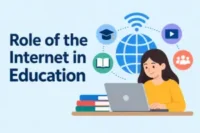
The Internet has become a major part of modern education. It has changed how learners find, use, and share knowledge during their studies. Schools, colleges, and other educational institutions can now use digital tools to support different parts of the learning process.
The Internet serves several important roles in education:
- A Source of Educational Information: Students can find books, articles, facts, and study materials online.
- A Platform for Online Learning: Students can attend classes and complete courses from anywhere.
- A Communication Channel: Teachers and students can share questions, feedback, and instructions online.
- A Research Tool: Students can find reliable sources for assignments and academic research.
- A Collaboration Environment: Students can work together on projects and share ideas online.
- Remote Access to Resources: Learners can access educational materials without visiting a physical institution.
- Personalized Learning Support: Students can choose resources based on their learning needs and level.
- Technology-Supported Learning: Teachers can use videos and digital tools to explain lessons.
Why Is the Internet Important in Education?
Internet access has expanded educational opportunities. It helps schools and colleges meet changing needs and offer more ways to support learning.
Makes Education More Accessible
The Internet helps remove barriers that can limit access to education.
- Learning Beyond Boundaries: Online courses connect learners with institutions in other cities and countries.
- Support for Limited Options: Families can explore programs that nearby institutions do not offer.
- Remote Learning: Remote classes allow learners to continue their studies without traveling to campus.
Provides Access to Vast Learning Resources
Online platforms bring a wide range of educational materials together in one place.
- E-Books: Digital books let readers study on computers, tablets, and phones.
- Digital Libraries: Online libraries provide large collections without requiring a physical visit.
- Research Papers: Academic studies provide evidence for assignments and research projects.
- Educational Websites: Subject-focused sites offer explanations, examples, and study guides.
- Open Educational Resources: Free books, lessons, and materials help reduce study costs.
Supports Flexible Learning
Internet-based education makes it easier to manage study alongside other responsibilities.
- Learn Anytime and Anywhere: Online lessons fit different schedules and locations.
- Self-Paced Learning: Students can take more time with difficult lessons.
- Recorded Lectures: Recorded classes allow repeated review of difficult topics.
- Mobile Learning: Smartphones and tablets support study outside the classroom.
Encourages Independent Learning
The Internet helps learners manage their studies more independently.
- Explore Topics: Personal research helps learners explore questions that interest them.
- Go Beyond Textbooks: Extra online material expands knowledge beyond required course books.
- Develop Curiosity: New questions can lead to further reading and discovery.
Connects Learners Globally
The Internet creates opportunities for academic interaction across different regions and cultures.
- International Classrooms: Virtual classes bring teachers and classmates from different countries together.
- Discussion Forums: Online discussions encourage members to exchange ideas about academic subjects.
- Online Communities: Subject-based groups help members share ideas and learn together.
- Collaborative Projects: Digital tools help teams in different locations complete assignments together.
Major Uses of the Internet in Education
The Internet supports many practical tasks in modern education. These uses cover different parts of the learning and teaching process.
Online Classes and E-Learning
Online platforms provide different ways to deliver and manage online learning.
- Virtual Classrooms: Teachers can conduct classes and interact with participants through online platforms.
- Recorded Lessons: Saved sessions provide access to previously delivered lessons for later review.
- Online Courses: Course platforms provide structured programs for specific academic and professional subjects.
- Learning Management Systems: These systems help organize lessons, assignments, grades, and course activities.
Educational Research
The Internet provides tools that support academic research and information gathering.
- Search Engines: Search tools help users locate information related to specific academic subjects.
- Academic Databases: Specialized databases provide access to scholarly articles and published studies.
- Digital Journals: Online journals provide research findings from different academic fields.
- Research Repositories: Repositories store papers, reports, and other academic work.
- Online Reference Materials: Dictionaries and encyclopedias help users check definitions, facts, and concepts.
Communication Between Teachers and Students
Online communication makes it easier to handle academic discussions and updates.
- Email: Teachers can send instructions, notices, feedback, and course-related information.
- Messaging Platforms: Direct messages allow quick questions, replies, and academic updates.
- Video Conferencing: Online meetings allow teachers and students to communicate face-to-face.
- Online Discussion Boards: Discussion boards allow class members to post questions and respond to academic topics.
Online Tests and Assessments
Digital platforms help teachers conduct and manage different types of assessments.
- Quizzes: Short online quizzes can check understanding after individual lessons.
- Practice Tests: Practice exams help users prepare for formal assessments.
- Digital Assignments: Students can complete and submit assignments through online platforms.
- Feedback: Some platforms provide instant scores and basic feedback after completion.
Collaboration and Group Learning
Online tools make it easier to manage shared academic work and group activities.
- Shared Documents: Group members can create, edit, and review the same file online.
- Online Forums: Forums provide a place to discuss academic topics and exchange useful information.
- Virtual Study Groups: Online groups can organize revision sessions and discuss difficult topics.
- Group Projects: Digital platforms allow groups to work together on shared academic projects.
Benefits of the Internet in Education
The Internet has changed the way education works today. It can improve the learning experience and make several academic activities easier to handle.
These benefits show how Internet use can add value to education.
- Saves Time: Online tools reduce the time needed to find, share, and manage study materials.
- Reduces Education Costs: Free resources can lower spending on books, printed notes, and other materials.
- Improves Study Support: Extra explanations and practice materials can help clarify difficult subjects.
- Builds Digital Skills: Regular use of online tools helps develop skills needed for modern study and work.
- Makes Revision Easier: Online practice materials help with revision before tests, presentations, and assignments.
- Supports Career Building: Job sites, professional courses, and industry resources can help connect education with career goals.
- Promotes Wider Awareness: Online content introduces different ideas, cultures, viewpoints, and developments from around the world.
- Helps Track Progress: Digital platforms can record completed work, test results, and other academic activities.
Role of the Internet for Students
The Internet makes it easier for students to organize their studies and explore new ways to learn. The following areas explain how Internet access can support academic progress.
- Improves Study Planning: Online calendars and study tools help organize academic tasks and deadlines.
- Supports Homework: Explanations and examples can provide extra help with difficult assignments.
- Develops Writing Skills: Online writing resources help improve grammar, vocabulary, and sentence structure.
- Develops Research Habits: Regular online searches encourage careful checking and deeper research.
- Supports Academic Decisions: Course information helps learners compare subjects and choose study options.
- Improves Information Checking: Comparing different sources encourages careful evaluation of online information.
- Supports Career Awareness: Career websites explain different fields, qualifications, and possible career paths.
Role of the Internet for Teachers
Teaching involves more than classroom instruction. Internet access gives teachers additional support for handling their academic responsibilities.
These examples show how the Internet can strengthen the teaching process.
- Helps Plan Lessons: Online resources can help prepare lessons that match course requirements.
- Supports Teaching Materials: Digital tools can help create worksheets, presentations, and classroom materials.
- Makes Feedback Easier: Online platforms allow teachers to share comments and suggestions on submitted work.
- Tracks Academic Progress: Digital systems help monitor grades, attendance, and completed assignments.
- Supports Professional Growth: Online training provides opportunities to learn new teaching methods and subject knowledge.
- Manages Class Work: Digital platforms help organize schedules, assignments, and important class information.
- Keeps Knowledge Updated: Educational websites provide updates about new developments in different subjects.
How the Internet Has Changed Education
The Internet has introduced new ways to study, teach, communicate, and access academic content. The shift becomes clear when we compare old methods with newer approaches.
From Printed Books to Digital Content
Earlier education relied mainly on textbooks and printed materials. Today, digital content gives access to books, articles, and other academic material through connected devices.
From Classrooms to Hybrid Learning
Earlier, most lessons took place inside physical classrooms. Hybrid learning now combines classroom instruction with online activities.
From Teacher-Led to Student-Centered Learning
In older teaching methods, the teacher usually guided the entire lesson. Internet access gives learners more control over how they explore topics and take part in their education.
From Fixed Schedules to Flexible Study
Traditional education usually followed set class times and academic schedules. Internet-based options allow learning to fit different routines and circumstances.
From Local Sources to Global Knowledge
In the past, academic work often depended on materials from local schools and libraries. The Internet connects education with knowledge from institutions around the world.
From One-Way Teaching to Interactive Learning
Traditional lessons followed a direct teaching format. Internet-based tools allow learners to ask questions, share responses, and take part in learning activities.
Traditional Education vs. Internet-Based Education
Traditional education and Internet-based education differ in several important ways. Below is a comparison of both approaches.
| Traditional Education | Internet-Based Education |
| Mainly uses printed resources | Uses digital resources |
| Relies on a fixed classroom | Supports multiple learning locations |
| Follows set schedules | Offers greater flexibility |
| Depends more on local sources | Connects with global information |
| Mainly uses face-to-face communication | Combines face-to-face and digital communication |
Disadvantages of the Internet in Education
The Internet offers many educational benefits, but it also creates some challenges. Poor use of online resources can affect academic work and make learning less effective.
Internet use in education can cause various challenges.
- Causes Distractions: Social media, games, and entertainment can take attention away from study tasks.
- Spreads False Information: Unreliable websites can provide incorrect facts and misleading academic content.
- Creates Privacy Risks: Sharing personal details online can expose users to unwanted privacy problems.
- Increases Screen Time: Long hours on digital devices can reduce time for other important activities.
- Requires Internet Access: Poor connections can interrupt online lessons and limit access to digital materials.
- Can Reduce Focus: Frequent notifications can make it harder to concentrate.
- Leads to Copying: Students can copy others’ work more easily when they have quick access to online material.
- Creates Security Problems: Unsafe websites and weak passwords can put accounts and personal information at risk.
How to Use the Internet Effectively for Education
Using the Internet wisely can make education more useful and productive. Some practices can help users get better results from online learning resources.
- Choose Reliable Sources: Use trusted websites, educational institutions, and academic platforms for information.
- Set Goals: Decide what you want to learn before searching for online material.
- Manage Your Time: Set study hours to avoid spending too much time online.
- Check Information: Compare important facts with reliable sources before using them.
- Avoid Distractions: Stay away from social media, games, and unrelated websites during study time.
- Protect Personal Details: Avoid sharing passwords, private information, or unnecessary details online.
- Use Learning Tools: Use helpful videos, courses, quizzes, and digital study materials.
- Create Your Own Work: Use online information to understand topics instead of copying someone else’s work.
Role of Artificial Intelligence in Internet-Based Education
Artificial intelligence has added new capabilities to Internet-based education. It helps improve different parts of the learning and teaching process.
These uses show how AI can support education through Internet-based tools.
- AI Tutoring: Explains topics and answers questions outside regular class hours.
- Quick Feedback: Reviews answers and provides feedback quickly.
- Content Recommendations: Suggests useful courses, lessons, and resources based on learning activity.
- Automated Grading: Checks certain assignments and provides scores quickly.
- Lesson Planning: Helps teachers create lesson ideas, questions, and classroom activities.
- Language Support: Helps with grammar, translation, vocabulary, and language practice.
- Accessibility Support: Provides features that help users with different learning needs.
Future of the Internet in Education
New technology can shape the future of education and improve learning experiences. Its influence now extends to many areas of education.
- Immersive Learning: Virtual and augmented reality can create realistic learning experiences.
- Advanced Classrooms: Connected devices can help improve classroom activities and teaching methods.
- Remote Education: Better Internet access can bring education to more remote areas.
- Flexible Study Options: Online systems can support different study schedules and learning needs.
- Connected Schools: Schools and colleges can share resources and connect with other institutions.
- Digital Learning Platforms: New platforms can offer simpler ways to access and manage educational content.
- Technology-Based Learning: New tools can introduce more engaging ways to learn.
Conclusion
You learned about the role of the Internet in education, its importance, major uses and benefits, how the Internet supports students and teachers, effective use, the role of artificial intelligence, and its future in education.
The Internet has made education more connected, flexible, and accessible, but it also requires careful and responsible use. Reliable sources, focused study, online safety, and balanced screen time can help users gain more value from digital education while avoiding common problems.
Frequently Asked Questions
I’ve answered some basic questions about the Internet’s role in education.
Yes, the Internet can give rural communities access to educational services that may not be available nearby. It can connect them with institutions, teachers, and digital programs. Good Internet access is important for these opportunities to work well.
Internet literacy means knowing how to use the Internet safely and correctly. It includes basic skills such as using websites and online services. These skills help users use the Internet with more confidence.
Universities use the Internet for communication, academic services, and administrative work. It also helps them connect with other universities and academic networks. This makes many university activities easier to manage.
Schools can teach students basic rules for safe Internet use. They can also explain online privacy, respectful communication, and responsible use of digital resources. Regular guidance can help students develop safer online habits.
The digital divide is the difference between people with reliable Internet access and those without it. This gap can limit educational opportunities in areas with poor connectivity. Affordable devices and reliable Internet can help reduce this problem.
Internet-based education uses the Internet to provide or support learning. It can include online courses, remote programs, and other digital learning services. It allows education to take place through Internet-connected platforms.
Basic digital skills help users browse websites, use online services, and find information. It is also important to check sources and follow safe Internet practices. These skills help users use online resources more effectively.
Internet access can help users find programs, institutions, and learning options beyond their local area. It can introduce them to opportunities they may not find elsewhere. This broader access gives users more educational options.
Online training gives teachers access to professional courses. They can learn about new teaching methods and improve their subject knowledge. This makes professional development easier to access.
The Internet can connect communities with educational opportunities that may not be available locally. Poor infrastructure, high costs, and limited digital skills can still create problems. Better Internet access can help more communities benefit from education.



- Be Respectful
- Stay Relevant
- Stay Positive
- True Feedback
- Encourage Discussion
- Avoid Spamming
- No Fake News
- Don't Copy-Paste
- No Personal Attacks
- Be Respectful
- Stay Relevant
- Stay Positive
- True Feedback
- Encourage Discussion
- Avoid Spamming
- No Fake News
- Don't Copy-Paste
- No Personal Attacks
